Mixtures that Matter: Correlation Patterns in Antibacterial and Cytotoxic Activities of Five Hop Isolates

Mixtures that Matter: Correlation Patterns in Antibacterial and Cytotoxic Activities of Five Hop Isolates
Kober, L.; von Karger, L.; Castiglione, K.
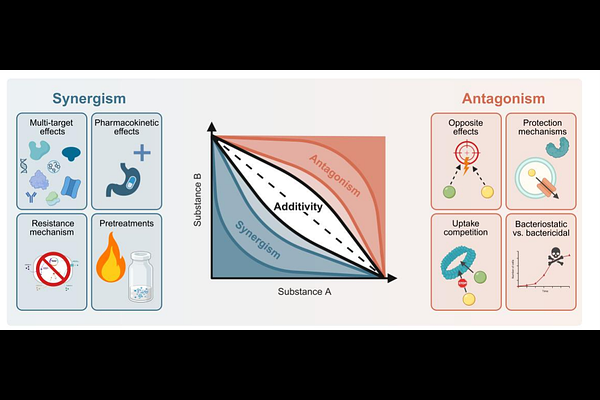
AbstractAntimicrobial resistance (AMR) has resulted in the need for the development of alternative strategies for combating pathogens and growth promotion of poultry, including the use of plant-derived compounds such as hop (Humulus lupulus) isolates. The present study evaluates the correlation patterns of the biological activity of five major hop isolates (humulone, lupulone, isohumulone, xanthohumol, and isoxanthohumol) against Bacillus subtilis, Micrococcus luteus, and a chicken cell line UMNSAH/DF-1 using a two-dimensional checkerboard assay. Fractional inhibitory concentrations ({Sigma}FIC) were used to classify interactions as additive, synergistic, or antagonistic, and selectivity indices assessed antibacterial versus cytotoxic effects. On B. subtilis, combinations were predominantly additive, whereas </>M. luteus</>, in contrast, showed variable interactions, including also synergistic (humulone + lupulone) and antagonistic combinations (isohumulone + isoxanthohumol), demonstrating the impact of the metabolic resilience of the target organism. Cytotoxicity in UMNSAH/DF-1 cells was largely additive, with synergistic effects observed only for isomerized compounds. Selectivity analysis highlighted humulone-lupulone combinations as most favorable, offering high antibacterial activity with minimal cytotoxicity. These results provide novel insights for selecting hop isolate combinations for the development of phytogenic feed additives (PFAs), emphasizing that both compound composition and target organism physiology critically shape efficacy and safety outcomes.