Placental lipid handling, growth and inflammatory pathways are modified by a maternal Mediterranean diet

Placental lipid handling, growth and inflammatory pathways are modified by a maternal Mediterranean diet
Lopez-Tello, J.; Youssef, L.; Bermejo-Poza, R.; Cabezas, A.; De la Fuente, J.; Crovetto, F.; Gratacos, E.; Crispi, F.; Sferruzzi-Perri, A. N.
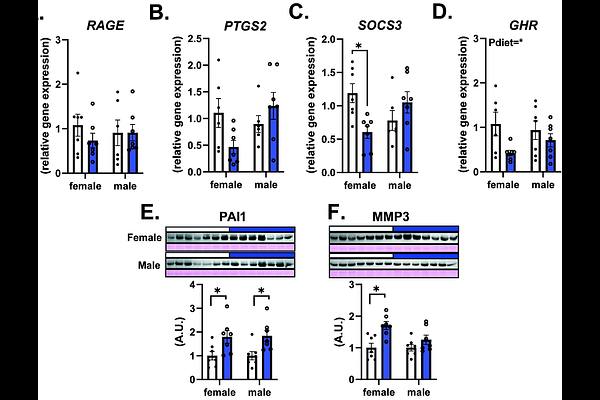
AbstractAims The Mediterranean diet is associated with reduced cardiometabolic risk, yet its physiological effects during pregnancy and its impact on placental metabolism remain incompletely understood. This study aimed to determine whether maternal adherence to a Mediterranean diet during pregnancy influences placental lipid metabolism and signalling pathways involved in nutrient handling, tissue remodelling, and inflammation, and to assess their relationship with pregnancy outcomes. Methods Placental samples and clinical outcome data were analysed from pregnant women participating in an unblinded randomized clinical trial of a Mediterranean diet intervention. Placental lipid composition was quantified and the expression of genes and signalling pathways involved in lipid metabolism, nutrient transport, inflammation, and tissue remodelling was evaluated. Results Maternal adherence to a Mediterranean diet during pregnancy was associated with significant alterations in placental lipid composition, including reduced C18:0 and C24:0 and increased C18:1n9c, C20:3n6, and C22:0, with lower total short-chain fatty acids and higher monounsaturated fatty acids. Placental expression of lipid metabolism regulators ALOX15 and PPAR{gamma} was reduced, alongside downregulation of AKT and p38 MAPK signalling pathways. Placentas from mothers adhering to the Mediterranean diet also showed lower expression of amino acid and glucose transporters SLC3A2 and SLC2A1, as well as altered inflammatory and extracellular matrix remodelling markers, including decreased SOCS3 and GHR and increased PAI1 and MMP3. Conclusions Maternal adherence to a Mediterranean diet during pregnancy modifies placental lipid composition and regulates pathways involved in lipid handling, nutrient transport, inflammation, and tissue remodelling, providing insight into mechanisms linking maternal diet with placental metabolic function.