Molecular Analysis and Computational Modeling Reveal Temporally Separable Responses triggered by DENV-Induced Soluble Factors in Endothelial Cells

Molecular Analysis and Computational Modeling Reveal Temporally Separable Responses triggered by DENV-Induced Soluble Factors in Endothelial Cells
Alfaro-Garcia, J. P.; Ramirez-Mejia, J. M.; Rojas-Estevez, P.; Alvarez-Diaz, D. A.; Fernandez, G. J.; Orozco-Castano, C. A.; Rodriguez-Rey, B. A.; Gallego-Gomez, J. C.; Vicente-Manzanares, M.
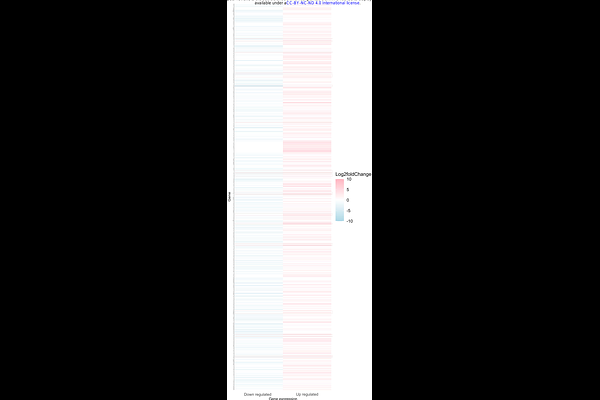
AbstractDengue virus (DENV) represents a growing global health challenge with billions of people at risk. Severe Dengue (SD), a complication of DENV infection that involves generalized hemorrhage, is driven, at least in part, by endothelial dysfunction. Endothelial dysfunction refers to increased permeability due to inflammation, mechanical injury and/or modification of the genetic program of endothelial cells. Previous work showed that exposure of endothelial cells to conditioned media from DENV-infected cells (CMDV) increased permeability and cellular stiffness, repressed endothelial markers and induced mesenchymal genes. However, the generality, extent, mechanism and ultimate impact of these events in the onset of SD remain elusive. Here, we integrate analysis from in vitro infection of endothelial cells with computational modeling to investigate the key features of CMDV-induced endothelial alterations and their potential impact on endothelial dysfunction. We found that CMDV increased SNA1 and CDH2 expression, while suppressing endothelial genes OCLN and CDH5. Global transcriptomics analysis revealed that CMDV triggered a transient pro-inflammatory response, followed by induction of selected tissue repair genes and matrix remodeling. A non-directed asynchronous network model (NDAM-CMDV) identified IL6 and FN1 as central nodes of DENV-induced endothelial trans-differentiation, providing new molecular insights that predict the evolution of the disease and identify potential therapeutic targets.