Optimizing calcein marking in the common periwinkle (Littorina littorea) for repeated-measures and mark-recapture studies

Optimizing calcein marking in the common periwinkle (Littorina littorea) for repeated-measures and mark-recapture studies
Ahlefeld, G. K.; Benavides, C. E.; Chioffi, M. A.; Furtney, F.; Goerck de Carvalho Macedo, S.; Korn, C. E. H.; Marra-Perrault, G.; McGlashan, E. A. F.; Watts, L. A.; Wilkinson, K. J.; Wells, C. D.
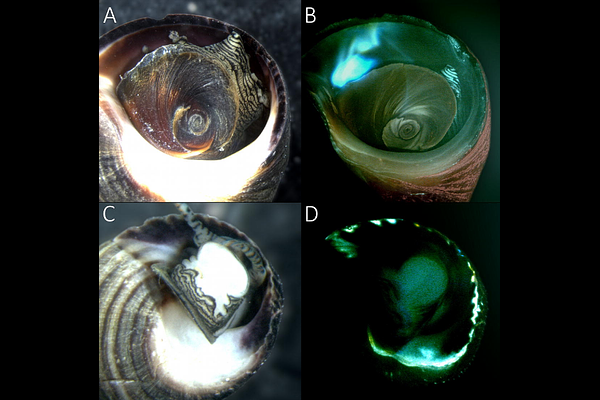
AbstractCalcein is a fluorescent marker commonly used to label growing calcified structures in marine organisms, but its efficacy is species- and context-specific. We evaluated calcein marking success and survival in the common periwinkle (Littorina littorea) during winter in the Gulf of Maine. Snails were immersed for 24 h in seawater containing 0, 50, or 100 mg L-1 calcein and scored for fluorescent marks 22 days later. Overall marking success was low (12.5% of exposed snails evaluated) but was strongly size-dependent: each 1 mm increase in shell length reduced the odds of acquiring a mark by 27%. Among exposed snails, higher calcein concentration (100 mg L-1) produced significantly brighter marks than the lower concentration (50 mg L-1). Survival was 100% across all treatments. The low overall marking rate likely reflects suppressed shell growth at winter temperatures. We recommend 100 mg L-1 calcein with a 24-h immersion for marking L. littorea and suggest that marking during warmer months would improve efficacy across a broader size range.