Edible Bird's Nest Enhances Memory and Learning in a Rat Model of Sporadic Alzheimer's Disease

Edible Bird's Nest Enhances Memory and Learning in a Rat Model of Sporadic Alzheimer's Disease
Ibrahim, N. H.; Yahaya, M. F.; Teoh, S. L.; Mohamed, W.; Hui, C. K.; Ugusman, A.; Kumar, J.
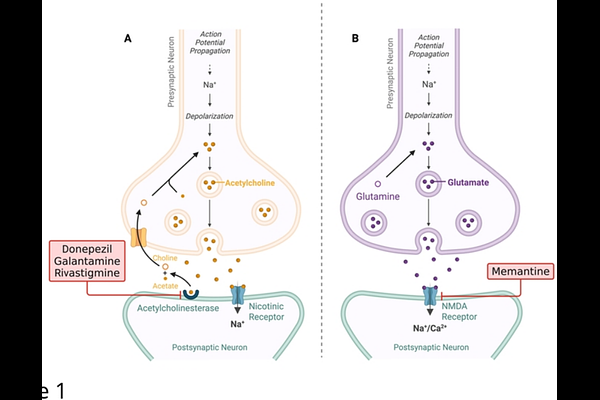
AbstractAlzheimers disease (AD) has emerged as a major global health concern, with the glutamate hyperexcitability hypothesis suggesting that synaptic dysfunction and neuronal death are key contributors to cognitive impairments. Despite decades of research, current AD treatments only manage symptoms without offering a cure. This study investigates the potential of edible bird\'s nest (EBN) as a therapeutic intervention for mitigating cognitive decline in a streptozotocin (STZ)-induced model of sporadic AD. Male Sprague-Dawley rats were randomly assigned to seven groups: control, sham, STZ, low EBN (LEBN, 300 mg/kg), medium EBN (MEBN, 600 mg/kg), high EBN (HEBN, 1200 mg/kg), and memantine (MEM, 10 mg/kg). On day 1, rats received a 3 mg/kg intracerebroventricular (ICV) injection of STZ and were allowed a 7-day recovery period. Following recovery, the rats were treated with their respective interventions daily via oral gavage for 21 days. Behavioral performance was assessed using the Open Field (OF), Novel Object Recognition Test (NORT), and Morris Water Maze (MWM). After behavioral testing, animals were euthanized, and hippocampal tissues were processed for Congo red staining, Bielschowsky staining, and immunohistochemistry to evaluate the expression of NR1, NR2A, NR2B, Glial fibrillary acidic protein (GFAP), and excitatory amino acid transporter 2 (EAAT2). STZ-treated rats exhibited significant declines in recognition memory, spatial learning, and increased anxiety in the open field, along with elevated Congo red and Bielschowsky staining, and higher expression of N-Methyl-D-aspartate receptor (NMDAR) subunits (NR1, NR2A, NR2B), GFAP, and EAAT2, indicative of astrogliosis and glutamate excitotoxicity. Treatment with MEBN (600 mg/kg) significantly improved exploratory behavior, memory, and cognition in the ICV-STZ rats. MEBN effectively attenuated cognitive decline and modulated hippocampal markers, yielding results comparable to the positive control, memantine. These findings underscore the potential of EBN as a promising therapeutic approach for AD and highlight the increasing relevance of traditional medicine in the treatment of neurodegenerative diseases.