Effects of polystyrene and polylactide nanoparticles on macrophages under a repeated exposure mode

Effects of polystyrene and polylactide nanoparticles on macrophages under a repeated exposure mode
Collin, V.; Vitipon, M.; Diemer, H.; CIANFERANI, S.; Fenel, D.; Darrouzet, E.; Rabilloud, T.
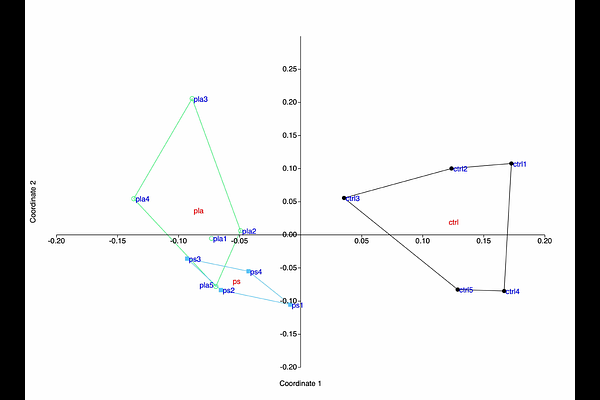
AbstractMicro and nanoplastics are pollutants which concentration in different biotopes increases continuously over time, which poses the question of their potential effects on health. In animals, these micro and nanoplastics are recognized as particulate materials and thus handled by macrophages, which are therefore a key cell type to study. Most studies have used an experimental scheme in which the cells are exposed to a single dose of plastics, with a readout made immediately after exposure. However, this classical experimental scheme does not take into account the impact of biopersistence, nor the potential cellular adaptation that may take place when cells are exposed repeatedly to a low dose of plastics. We thus used a repeated exposure scheme, in order to better take into account these phenomena. Within this frame, we compared the macrophages responses to a persistent nanoplastic, i.e. polystyrene nanoparticles and to a biodegradable nanoplastic, i.e. polylactide, by a combination of proteomic and targeted experiments. Our results show that under this repeated exposure scheme, the proteome changes were of a lesser (for PS) or similar (for PLA) extent than under the acute exposure mode, indicating cell adaptation. However, PLA particles induced mitochondrial dysfunction and depression of response to bacterial molecules perceived as danger signals, such as lipopolysaccharide. Polystyrene nanoparticles also induced a slight alteration of the immune functions of macrophages. This indicates harmful effects even in the repeated exposure scheme.