Type I interferon signaling promotes mucosal inflammation in murine models of colitis

Type I interferon signaling promotes mucosal inflammation in murine models of colitis
Yin, J.; Galicia Pereyra, R.; Sifuentes-Dominguez, L.; Turer, E.; Burstein, E.
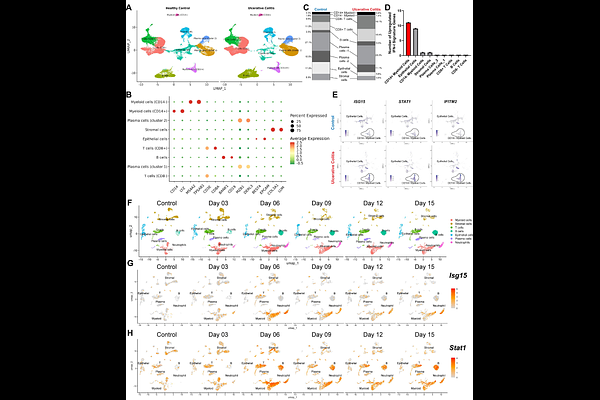
AbstractType I interferons (IFN-Is) play a critical role in innate immunity, modulating the host response. While dysregulated IFN-I signaling has been implicated in autoimmune and infectious disorders, its role in inflammatory bowel disease (IBD) remains unclear. In this study, we extensively assessed the function of IFN-I signaling in human IBD and murine models of colitis. Expression of IFN-I signature genes was elevated in patients with active ulcerative colitis as well as multiple murine models of colitis. Single cell RNA sequencing revealed that upregulated IFN-I signature genes were enriched in myeloid cells, which exhibited increased expression of IFN receptors during mucosal inflammation. Mice carrying gain-of-function alleles of Ifnar1, a subunit of IFN-I receptor, showed heightened IFN-I signaling and altered colonic immune homeostasis at baseline, and were more susceptible to experimental colitis. In contrast, postnatal inhibition of IFNAR1, using either an inducible transgenic mouse model or an anti-IFNAR1 blocking antibody, protected against experimental colitis. Taken together, our findings reveal a previously under-recognized pathogenic role of IFN-I in IBD and provide a rationale for therapeutic intervention targeting this pathway.